
Spring Twists Gallery
$$MultiPurposeText$$
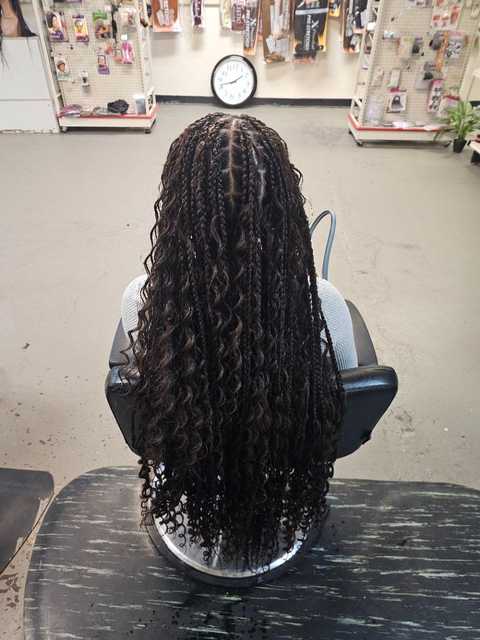
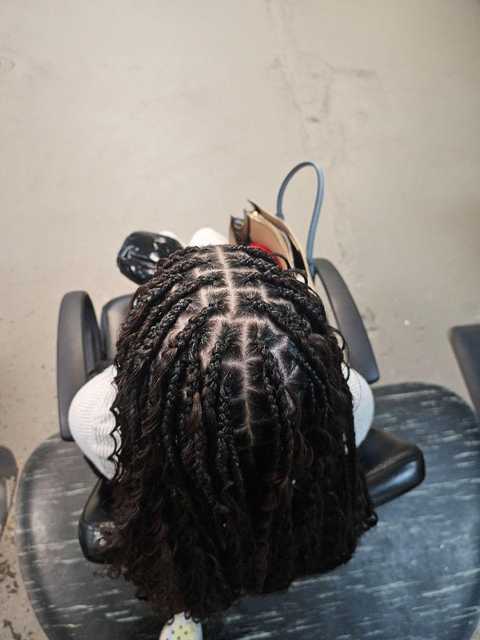
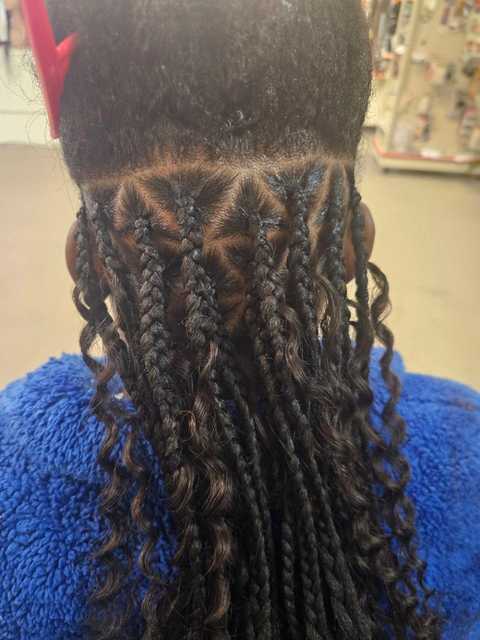
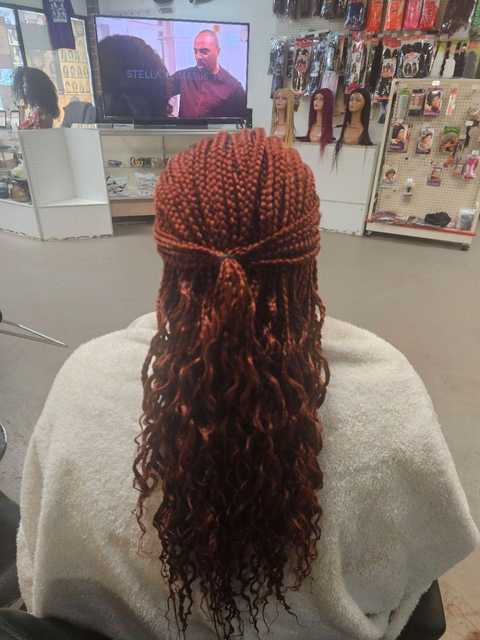
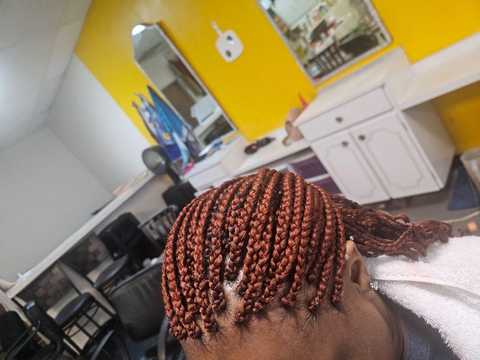
See examples of our Spring Twists work and results.


What Our Clients Say
$$MultiPurposeText$$
Read testimonials from our satisfied customers

Yess!!! Love my hair love the service and love her! Everything was perfect went in blind b...more

Ms. Betty... Delivered!

amazing braiding shop reasonable and they did a wonderful job on my daughter hair definit...more

I recommend this place they were able to get my hair done how I wanted and I'm very please...more

She is the best

I was very satisfied with miss Betty great price hair was slayed and she was very friendly

Frequently Asked Questions
Get answers to common questions about Spring Twists.
Spring Twists usually last four to eight weeks with proper care. Lifespan depends on hair growth, maintenance routine, and activities. Regular moisturizing, nighttime protection, and light tension checks extend wear and preserve style and scalp health.
When installed with proper technique and moderate tension, Spring Twists are gentle on edges. Avoid overly tight roots, heavy extensions, and prolonged wear. Communicate concerns with your stylist so they can adjust size, placement, and tension to protect fragile areas.
Sleep with a satin bonnet or scarf and loosely wrap twists into a pineapple or low ponytail to reduce friction. Use a satin pillowcase for extra protection. Re-twist any loose sections in the morning and avoid heavy oils that attract lint.
Yes — wash gently using diluted shampoo at the scalp and a light conditioner mid-lengths to ends. Pat dry with a microfiber towel and air-dry or use low heat. Avoid vigorous scrubbing and heavy conditioners that loosen twists.
Lightweight leave-in spray, water-based moisturizers, a small amount of curl-defining cream, and scalp oil applied sparingly keep twists bouncy without buildup. Use satin accessories at night and avoid heavy butters or alcohol-rich products that cause dryness or residue.
Yes — Spring Twists are flexible for updos, buns, and ponytails. Use gentle, snag-free bands and avoid tight pulling at the roots. Rotate styles to limit constant tension and consult your stylist for secure low-tension techniques.